
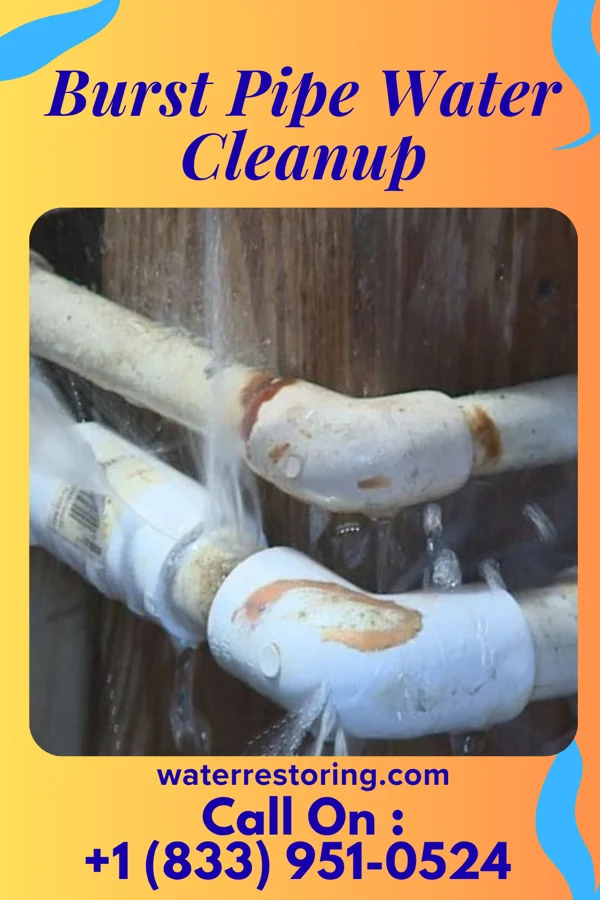
Why Burst Pipes Hit Country Club Heights Hard
The pattern in Country Club Heights is consistent. Country Club Heights, Indiana, experiences a mix of older infrastructure and seasonal fluctuations in water pressure, which can lead to pipe bursts during colder months. The area's proximity to rural areas with less frequent maintenance of water lines increases the risk of unexpected pipe failures, particularly in older homes. drives most of the emergency restoration calls we get. A close second is The region's clay soil can expand and contract with moisture changes, putting additional stress on underground pipes. Additionally, the area's growing population and development have increased the strain on local water systems, making pipe bursts more common in newly built or renovated properties..
The local climate in Country Club Heights, Indiana, with its cold winters and fluctuating temperatures, plays a significant role in pipe burst risks. The area's rural setting and seasonal weather patterns contribute to the likelihood of water line failures, especially in older or poorly insulated homes.
The local climate in Country Club Heights, Indiana, with its cold winters and fluctuating temperatures, plays a significant role in pipe burst risks. The area's rural setting and seasonal weather patterns contribute to the likelihood of water line failures, especially in older or poorly insulated homes. The dominant local driver is Country Club Heights, Indiana, experiences a mix of older infrastructure and seasonal fluctuations in water pressure, which can lead to pipe bursts during colder months. The area's proximity to rural areas with less frequent maintenance of water lines increases the risk of unexpected pipe failures, particularly in older homes., with The region's clay soil can expand and contract with moisture changes, putting additional stress on underground pipes. Additionally, the area's growing population and development have increased the strain on local water systems, making pipe bursts more common in newly built or renovated properties. showing up as the next most common cause. Damage builds in stages. Spread. Absorption. Microbial growth. Structural compromise. Every stage you pass through adds to the final bill.